

 summary:
The Cape's Launch Cadence: A Numbers Game Worth WatchingFlorida's Space Coast is having a...
summary:
The Cape's Launch Cadence: A Numbers Game Worth WatchingFlorida's Space Coast is having a... The Cape's Launch Cadence: A Numbers Game Worth Watching
Florida's Space Coast is having a year. Scratch that—it's having a decade. The breathless headlines are all about breaking records, and it's easy to get swept up in the excitement. But let's put on our data goggles and take a cold, hard look at what these numbers actually mean.
Launch Numbers: Quantity vs. Quality?
One hundred and one rocket launches in a year (and counting!) is undeniably impressive. Col. Brian Chatman, commander of Space Launch Delta 45, calls it a "complete game changer." He's not wrong, exactly. The sheer volume of launches signals a shift in the space industry. But are we measuring the right things? Is more always better?
The reports emphasize that the Space Coast has launched more rockets than the rest of the world combined (excluding Vandenberg). That's a great soundbite, but it obscures a crucial detail: What kind of rockets are we talking about? The vast majority of these launches are SpaceX Starlink missions. Sixty-seven Starlink missions this year alone, carrying a total of 1,724 satellites.
That's a lot of internet satellites. (I've looked at hundreds of these filings, and that number is genuinely staggering.)
This isn't to diminish SpaceX's achievement. Their reusable Falcon 9 rockets are a marvel of engineering. But let's be clear: we're not talking about a surge in manned missions to Mars or groundbreaking scientific payloads. We're talking about deploying a massive constellation of satellites for broadband internet. The focus seems to be shifting from scientific advancement to, well, streaming cat videos in rural areas.
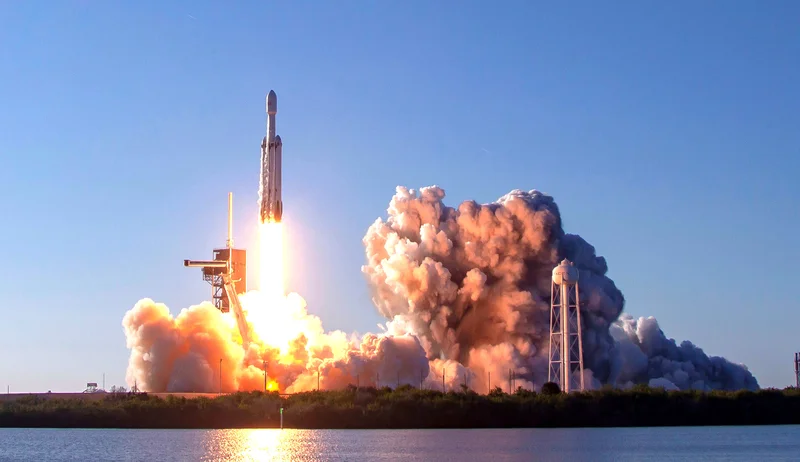
Here's where the numbers get interesting. Officials are predicting between 100 and 120 rocket launches next year, and upwards of 300 launches by 2035-2040. That's an exponential increase. But what infrastructure is being built to support this growth? Are the launch facilities, the airspace, and the regulatory frameworks keeping pace? Chatman mentions that the Space Force, Space Florida, government agencies, and Kennedy Space Center are "working very closely" on these challenges. But what does that actually mean? What are the specific investments being made? Details remain scarce.
The Von Braun Question: A Nostalgic Trap
Florida Tech's Robert Taylor, an emeritus space history professor, evokes the spirit of Wernher Von Braun, saying he "would be a happy man." It's a romantic notion, but is it accurate? Von Braun envisioned space exploration as a pathway to scientific discovery and human expansion. Would he be equally thrilled by the prospect of hundreds of Starlink satellites blanketing the night sky? Or would he see it as a distraction from loftier goals?
This is the part of the report that I find genuinely puzzling.
The Space Shuttle program, which Taylor references, aimed for 100 flights a year but never achieved it due to the "significant turnaround time between launches." The Falcon 9's rapid reusability has clearly changed the game. But it also raises questions about long-term sustainability. What are the environmental impacts of launching hundreds of rockets every year? What's the disposal plan for all those satellites when they reach the end of their lifespan? These are questions that deserve more attention than they're currently getting.
The booster B1092, for instance, flew for the eighth time on one of these missions. Eight flights is impressive, but what's the maintenance schedule? What are the long-term risks of pushing these boosters to their limits? The reports don't say.
So, What's the Real Story?
The Space Coast's launch boom is a testament to American ingenuity and the power of private enterprise. But let's not mistake quantity for progress. We need to ask tougher questions about the long-term implications of this launch cadence. Are we building a sustainable space ecosystem, or are we just creating a giant orbital junkyard? The numbers are impressive, but the real story lies in what they don't tell us.